
You put six figures into one night, and by the next morning, the buzz has already faded. The event, the creative and the content were managed separately, so the brand has little to show for the spend beyond a few photos and a line item.
The best experiential marketing examples are not simply impressive in the room. They give people a meaningful reason to engage, make the brand easy to remember, and create useful assets and momentum that carry on after the experience ends.
Look past the set design. A strong activation starts with a clear business goal: product trial, retail discovery, a launch, a stronger community relationship, or qualified conversations. Then it makes the audience’s role in the experience obvious. People should be able to try, learn, participate, share, or take a useful next step.
The final test is what remains when the doors close. Can the experience become campaign photography, short-form video, customer insight, retail support, partner content, or a reason to follow up? That requires the event plan, creative direction and content capture to be connected from the start.
Here are nine formats, with practical budget ranges and a few lessons from the field.
What it is: A launch gathering or product demonstration built around the way people will actually use the product. A family travel brand might let parents explore a sample room setup. A formula brand could encourage product trial through product sampling at events targeting women in the earlier stages of pregnancy.
Why it works: People can understand the product in context instead of hearing a list of claims. The experience can also provide a coherent visual story for campaign assets and launch communications.
Typical cost: Roughly $50,000 to $250,000+ for a single-market launch with venue, production, staffing, creative and documentation. A simpler hosted event may cost less; extensive custom fabrication, talent, or multi-day programming can raise the budget.
What to copy: Build the event around one clear product truth. Plan the photo and video brief with the experience, not after it. The Lafray Agency has supported Scotch Porter’s body care launch across packaging, campaign shoot, merchandising on Target’s shelves, in-person experiences, customer touchpoints through email, SMS and website, an example of the value of connecting creative decisions across the customer journey.
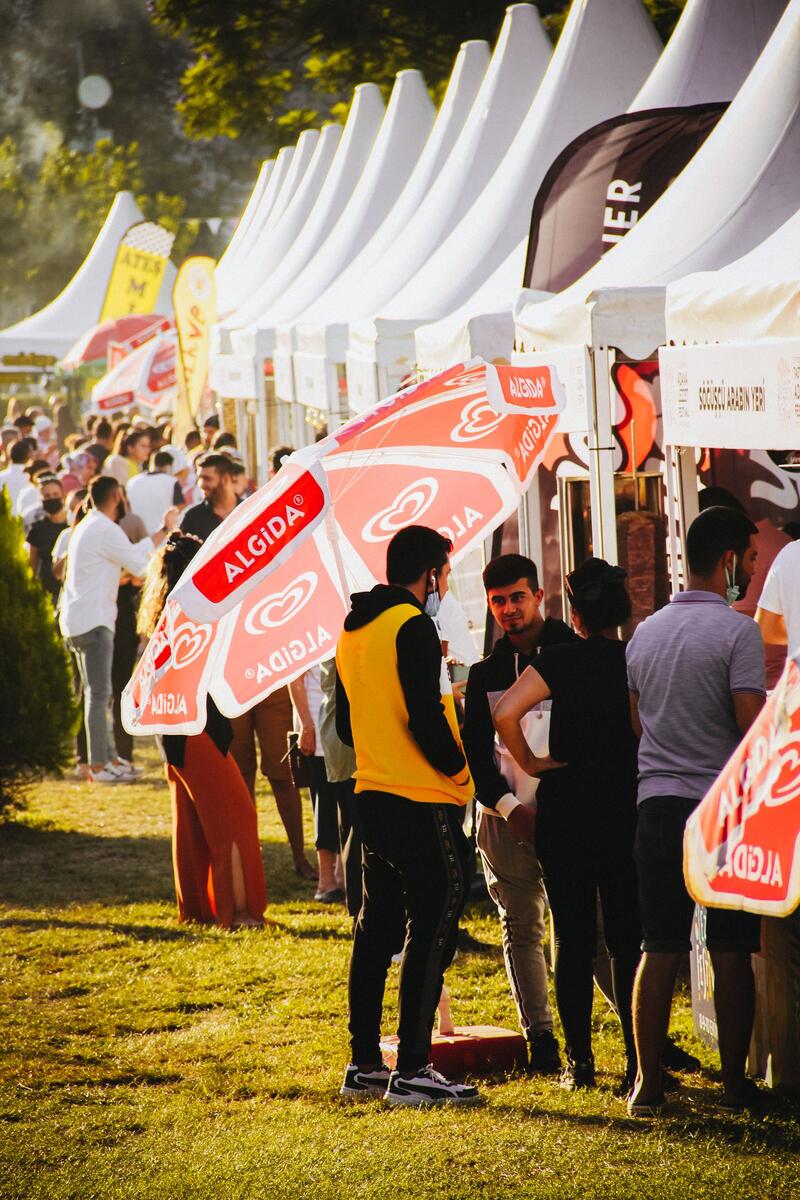
What it is: A coordinated festival presence combining sampling, mobile out-of-home, local media and creator participation, rather than relying only on a traditional booth.
Why it works: A festival can offer reach and relevance, but a booth is not the only way to show up. The right mix of touchpoints can meet people as they move through the event and connect discovery to nearby retail.
At a cultural festival, The Lafray Agency used mobile LED trucks, local radio, influencer activity and product sampling. Across four days, the activation delivered 5M+ impressions and 15K products sampled, with zero traditional booth cost. See the festival activation case study.
Typical cost: Around $25,000 to $250,000+, depending on market, staffing, media, product logistics and partnership costs. A big footprint does not always require a conventional booth fee.
What to copy: Map where your audience travels, then layer touchpoints around that movement. Set a clear sampling plan and connect the experience to retail or another next step.
What it is: A short-term branded space where people can explore, compare, test or learn, whether that means a neighborhood storefront, a retailer-adjacent installation or a showroom.
Why it works: The brand controls more of the experience than it typically can in a standard retail aisle. A parent can try a stroller fold, see how a swaddle fits into a bedtime routine, or ask questions without the interaction feeling rushed.
Typical cost: Roughly $25,000 to $100,000+ for a small, single-market pop-up. Rent, staffing, build, permits, storage, insurance and opening hours all affect the final number.
What to copy: Treat the space as a service, not a photo set. Make it comfortable to navigate with a stroller or children, explain the product clearly, and capture useful demonstrations as well as attractive wide shots.
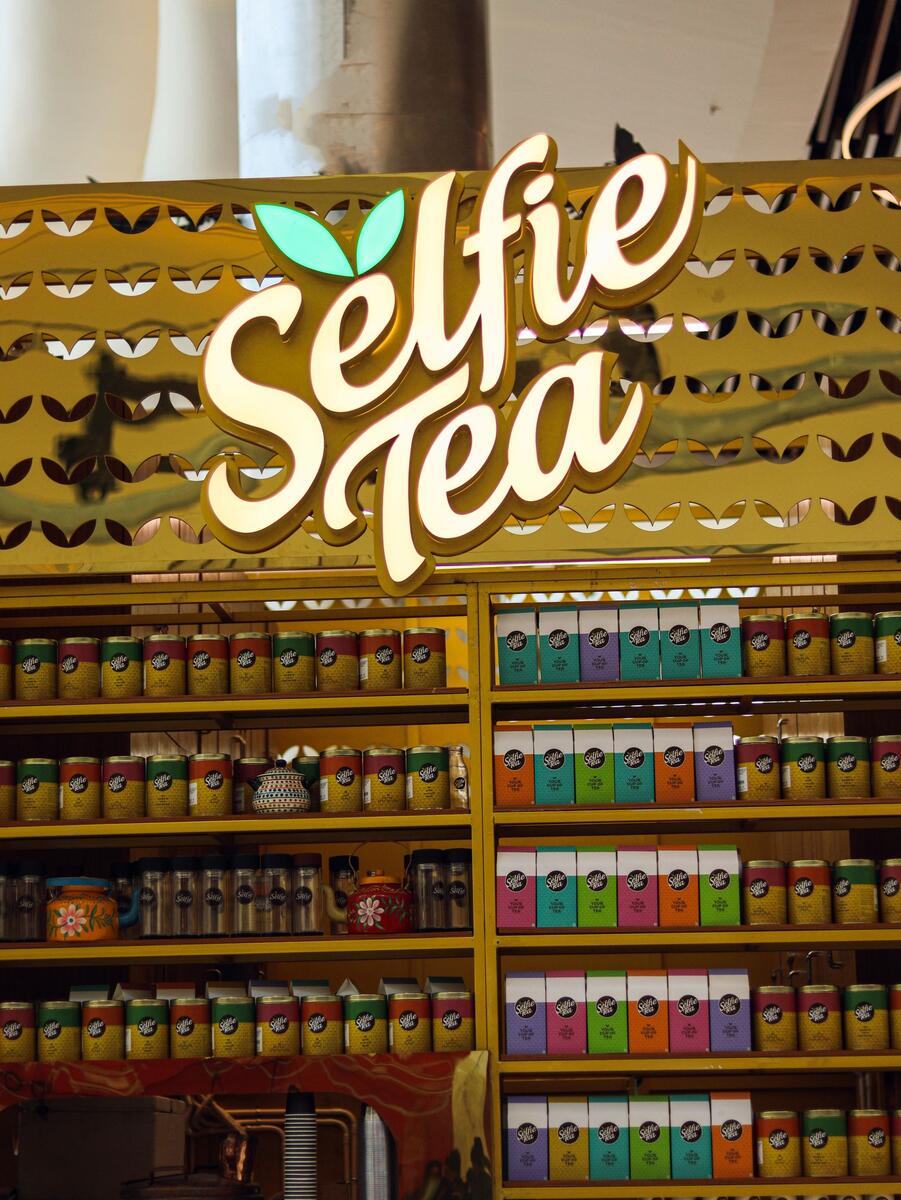
What it is: Product sampling, demos or guided trials at a relevant place, from a community event to a festival or retail setting.
Why it works: For products people need to feel, taste, test or understand, trial can make the value more tangible than a brand claim alone. It can also provide a direct signal of which audiences engage and what questions they ask.
Typical cost: Around $10,000 to $35,000+ for a focused program in one market. Product volume, shipping, permits, staffing and the number of days can shift that range significantly.
What to copy: Track more than samples distributed. Record qualified conversations, opt-ins where consent is clear, follow-up actions and retail referrals. A sample handed out without context or a relevant next step is an ineffective measure of success.
What it is: A brand experience designed for an event or property where the audience already gathers, such as a sports event, cultural platform or family-focused gathering.
Why it works: A sponsorship can create access and association, but visibility alone is rarely enough. A useful or participatory activation gives attendees a reason to engage and helps the brand earn attention rather than simply display a logo.
Typical cost: Roughly $50,000 to $300,000+ for a focused activation, before major rights fees or large-scale sponsorship commitments. The rights package, build, staffing and content production may be budgeted separately.
What to copy: Evaluate the rights and the experience together. Ask what the audience gets, what the brand can capture, and how the activation continues in retailer, partner or campaign channels. The Lafray Agency has delivered activations at CultureCon, Essence Fest and Super Bowl LIX.
What it is: A brand-hosted or sponsored gathering with programming, demonstrations and purposeful networking, often tied to a category topic or community.
Why it works: A well-designed summit can create deeper conversations than a quick pass-by interaction. For family, wellness and women’s health brands, educational programming can also give attendees a meaningful reason to spend time with the brand.
Typical cost: Around $75,000 to $300,000+, depending on attendee count, venue, production, speakers, catering and content capture.
What to copy: Start with the audience’s reason to attend. Create a clear journey from invitation through follow-up, and decide which outcomes matter before choosing the agenda. EventTrack 2026 reports that 51% of consumer event marketers ranked leads or data collection as their top event metric. That makes consent-based capture and a useful follow-up plan important parts of the experience, not admin to handle later.
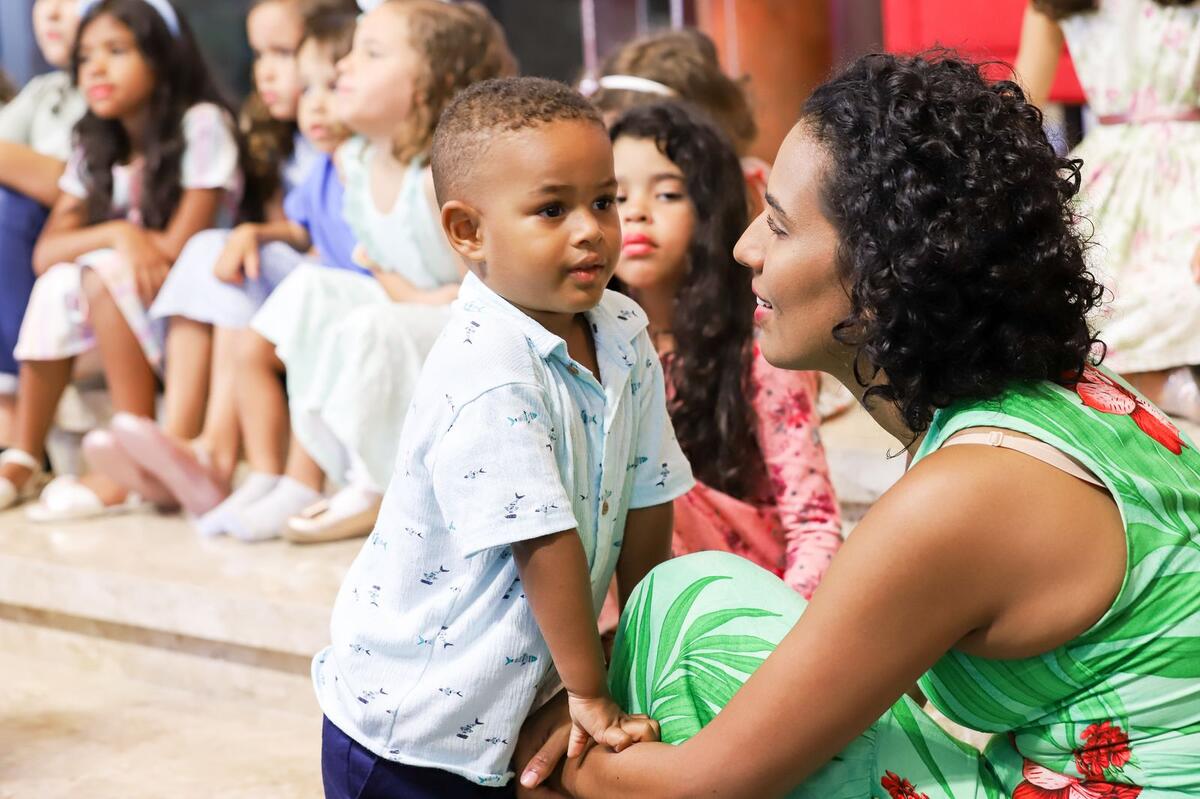
What it is: A small event for parents, caregivers or another clearly defined community, with expert conversation, product education, peer connection, or practical support.
Why it works: The setting gives people room to connect with one another and engage with a brand in a context that feels relevant. For an audience balancing family responsibilities, thoughtful details such as accessible timing, comfortable seating and child-friendly logistics can matter more than an elaborate installation.
Typical cost: Roughly $15,000 to $75,000+ for a local gathering, with scale, venue, programming and production driving the range.
What to copy: Make the experience worth attending even for someone who does not buy that day. Invite the right partners and speakers, respect people’s time, and document real moments without turning the gathering into a constant photo opportunity.
What it is: An activation that sends people to a retail partner, supports a new shelf placement, or helps shoppers understand a product once they arrive in-store.
Why it works: The live experience and the retail decision reinforce one another. Someone who has seen a demonstration or tried a product can recognize it on the shelf and understand what to do next.
Typical cost: Around $25,000 to $150,000+ for a focused program, depending on the number of locations, retail requirements, staffing and merchandising.
What to copy: Coordinate the experience with product availability, store locations and retail partner expectations. The Lafray Agency has directed campaigns that led to Scotch Porter having the #1 SKU in Target’s beard care category, and has helped carry launch creative through to shelf. Those proof points underscore the importance of consistency across packaging, campaign and retail context.
What it is: A traveling activation that brings a consistent brand experience to multiple cities, events or retail markets.
Why it works: A tour can build recognition across markets and give the team a repeatable operating model. It also creates opportunities to refine the experience after each stop rather than treating every activation as a one-off.
Typical cost: Roughly $250,000 to $1 million+ for a multi-city program, depending on number of markets, travel, staffing, fabrication and product logistics.
What to copy: Design a modular footprint that can travel without looking generic. Keep the core story consistent, but plan for local partnerships and audience differences. A smaller, well-planned route can be more effective than spreading the budget thin across too many stops.
The ranges below are planning estimates, not quotes. Scope, market, duration, venue, staffing and fabrication can move the final budget.
| Example type | Best for | Typical budget range | Content payoff | What to measure |
|---|---|---|---|---|
| Launch moment | New product or category launch | $50K–$250K+ | Campaign photography, product demos, launch story | Attendance, qualified engagement, retail or launch actions |
| Festival activation | Trial and cultural relevance | $25K–$250K+ | Field footage, creator and partner content | Reach, samples, engagement, retail referrals |
| Pop-up retail | Product discovery and demonstration | $25K–$100K+ | Product education and customer reactions | Visits, demos, leads, purchase signals |
| Sampling and trial | Product trial | $10K–$35K+ | Trial moments and audience insight | Samples, qualified interactions, opt-ins |
| Sponsorship activation | Audience access and association | $50K–$300K+ | Event content and partner assets | Participation, reach, leads or retail actions |
| Summit or conference | Education and relationship-building | $75K–$300K+ | Speaker, session and attendee content | Attendance, session engagement, qualified contacts |
| Community gathering | Trust and community connection | $15K–$75K+ | Authentic community storytelling | Attendance, participation, feedback, follow-up |
| Retail tie-in | Store discovery and launch support | $25K–$150K+ | Demo and shelf-related content | Store traffic, product interaction, retail outcomes |
| Multi-market tour | Repeatable market presence | $250K–$1M+ | A library of local content and learnings | Market-by-market engagement, trial and outcomes |
A useful first-pass budget depends on what the experience needs to accomplish. A focused sampling program may begin around $10,000 to $35,000, while a small pop-up can land around $25,000 to $100,000+. A more involved custom activation or product launch can reach $50,000 to $250,000 or more. Multi-city tours and major sponsorship programs often require a substantially larger investment.
Ask whether a budget includes strategy, creative development, venue, permits, fabrication, shipping, staffing, product, documentation, insurance and post-event asset delivery. Those costs are easy to underestimate when an initial quote only covers the visible build. The right budget is not always the biggest one. It is the amount that can deliver the experience, reach the intended audience, and produce enough useful follow-through to justify the investment.
The experiential marketing trends worth paying attention to are not only bigger builds or more technology. They include more useful participation, purposeful community experiences, measurable outcomes and content planned alongside production. Those are not add-ons. They are how an event can keep doing work after the room clears.
The Lafray Agency is an experiential marketing and creative direction agency built for exactly this problem. We design and produce the moments where people meet a brand in real life, then direct the creative that carries those moments everywhere else. Most of our work is a 360 degree launch built around a live moment, where the event plan, the shoot brief and the customer touchpoints are decided together instead of in sequence. For brands that need the capability inside the building rather than beside it, we also work on retainer as a fractional experiential and creative marketing lead, embedded with the internal team through a launch season. See what we do or explore more case studies.
A focused sampling activation in a relevant local setting can work well without a custom booth. Keep the footprint simple, make the product interaction clear, and connect trial to a useful next step such as nearby retail or a follow-up invitation. Small budget should mean focused scope, not an absent plan.
Choose measures that match the goal. For trial, track samples and meaningful product interactions. For a launch, consider attendance, qualified engagement and retail or launch actions. For a conference, track participation and qualified contacts. Use reach and content output as supporting measures, not substitutes for the result the activation was meant to create.
A small sampling program may cost around $10,000 to $35,000, a modest pop-up roughly $25,000 to $100,000+, and a custom launch or activation can range from $50,000 to $250,000+. Final costs depend on location, duration, production scope, staffing and what is included.
Plan for useful content capture, audience feedback and a follow-up path before production begins. The activation may generate campaign assets, product demonstrations, retail support, partner materials or customer insights. Set permissions and deliverables early so those assets are ready for future use.
Start when you know the business objective and approximate timing. More lead time gives the team room to align the experience with launch creative, retail availability, venue options, production and content. If a 2027 launch, event or activation is on your calendar, book a discovery call to talk through what to build and how to make it work beyond the event itself.